
Why Is Pest Control Important in Sydney?
Pest control services in Sydney are crucial because urban areas provide the perfect environment for pests to thrive. With densely populated housing, plenty of food sources, and Sydney’s warm climate, pests can remain active throughout the year, posing risks to both property and health.
Why Different Pests Require Different Approaches
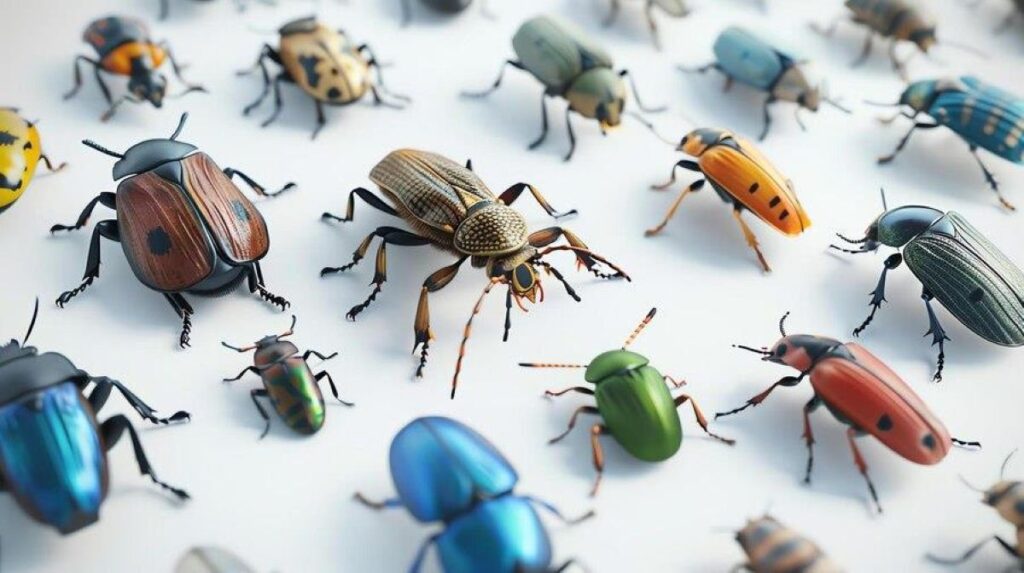
Pest control in Sydney isn’t a one-size-fits-all solution, as different types of pests require specific treatment methods. For example, the approach used to eliminate cockroaches will not be effective against termite colonies, which demand specialized inspection and treatment techniques. Likewise, spider control involves strategies that are completely different from those used for managing rodents, as each pest has unique behaviors and nesting habits.
Understanding the various types of pest control in Sydney helps property owners recognize why professional services deliver better, long-term results compared to generic store-bought solutions that often provide only temporary relief.
How Professional Pest Control Services Protect Sydney Properties
Professional pest control services safeguard properties in Sydney through:
- Treatments tailored to the biology and behaviour patterns of pests
- Safe application of approved products that meet Australian standards
- Long-term prevention strategies that tackle the underlying causes of infestations
- Expert identification of pest species and their entry points
The Role of Licensed Technicians in Pest Management
Licensed technicians possess specialised knowledge that elevates pest management from temporary relief to long-lasting protection. They evaluate each property’s specific weaknesses, such as structural flaws that attract termites or moisture issues that draw in silverfish. This expertise is particularly valuable in Sydney’s diverse urban landscape, where apartment buildings face different challenges compared to standalone houses.
The Broader Impact of Pest Control
The significance of pest control goes beyond just being an inconvenience. Consider the following:
- Rodents transmit diseases like leptospirosis through their droppings.
- Cockroaches can trigger asthma attacks and allergies.
- Termites silently damage structural timber, leading to costly repairs.
Professional pest control services eliminate these threats while ensuring that treatments remain safe for children and pets—a balance that’s often hard to achieve with do-it-yourself methods.
What Are the Common Types of Pests Found in Sydney?
Sydney properties face threats from a diverse range of common pests Sydney residents encounter throughout the year. The city’s warm, humid climate creates ideal breeding conditions for insects, rodents, and other unwanted visitors that can quickly establish themselves in homes and businesses.
Insects That Invade Sydney Properties
Here are some of the most common insects that invade properties in Sydney:
- Ants: Ants form colonies of thousands and enter buildings through the tiniest cracks, contaminating food supplies and creating unsightly trails across surfaces. Several species thrive in Sydney, from coastal brown ants to the aggressive bull ants found in garden areas.
- Cockroaches: Cockroaches Sydney properties harbour include three main species, each with distinct behaviours. German cockroaches prefer warm, humid indoor environments like kitchens and bathrooms, reproducing rapidly in hidden crevices. American cockroaches, the largest species, typically inhabit sewers and drains but venture indoors seeking food and moisture. Australian cockroaches favour outdoor areas but readily move inside during cooler months.
- Spiders: Spiders Sydney homeowners most frequently encounter include the venomous Redback spider, which builds messy webs in sheltered spots like garden sheds and outdoor furniture. Huntsman spiders, whilst less dangerous, cause alarm due to their large size and speed. These arachnids hunt other insects but their presence indicates broader pest activity.
- Silverfish: Silverfish damage paper products, wallpaper, and fabrics whilst thriving in damp, dark spaces like wardrobes and storage areas. Their nocturnal habits mean infestations often go unnoticed until significant damage occurs.
- Fleas: Fleas plague properties with pets, causing itchy bites on humans and animals whilst reproducing at alarming rates. A single female can lay up to 50 eggs daily, leading to rapid population explosions.
- Flies: Flies become particularly problematic during warmer months, spreading bacteria from waste to food preparation surfaces. Their breeding cycles complete within days, allowing populations to surge quickly.
- Wasps: Wasps build nests in roof eaves, wall cavities, and garden areas, posing sting risks to occupants. European wasps, an introduced species, have become increasingly aggressive in Sydney suburbs.
- Bed bugs: Bed bugs infest mattresses, furniture, and luggage.
How Do Pest Control Professionals Tackle Different Pest Infestations?
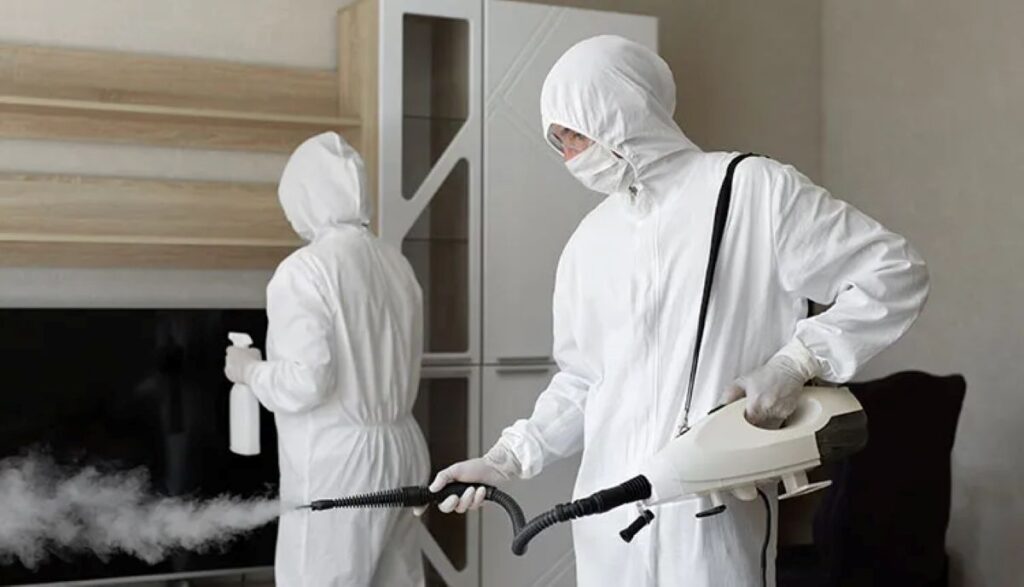
Pest control methods used by professionals in Sydney vary significantly based on the specific pest species and the severity of the infestation. Licensed technicians employ a combination of internal spraying and external dusting techniques to create protective barriers that eliminate existing pests while preventing future invasions. These treatments target both visible pests and those hidden in hard-to-reach areas where infestations typically originate.
What Treatment Techniques Are Used for Indoor Pest Control?
Internal spraying involves applying liquid pesticides to surfaces where pests travel, nest, or feed. Technicians focus on skirting boards, behind appliances, under sinks, and along wall junctions where cockroaches and ants commonly establish pathways. The spray creates a residual barrier that continues working for weeks after application, killing pests on contact and deterring new arrivals.
Dusting treatments complement liquid applications by reaching spaces inaccessible to sprays. Fine insecticidal powders are applied using specialised equipment into wall cavities, electrical outlets, and behind fixed cabinetry. The powder adheres to pest bodies as they move through treated areas, providing long-lasting control particularly effective against cockroaches and silverfish.
Which Areas Receive Targeted Roof Space Treatment?
Roof space treatment addresses one of the most critical zones for pest activity in Sydney properties. Rats, possums, and various insect species use roof voids as shelter and breeding grounds. Technicians access these areas to apply dust formulations along beams, in insulation, and around entry points. This approach targets rodents, spiders, wasps, and cockroaches that nest in elevated spaces.
Sub-floor areas receive similar attention, particularly in properties with suspended timber floors. These dark, often damp environments attract termites, spiders, and rodents. Technicians treat sub-floor spaces with both liquid sprays and dust applications, focusing on stumps, joists, and soil surfaces to create comprehensive protection zones.
How Are Structural Entry Points Protected?
Window and door frames serve as primary entry points for numerous pest species. Professionals apply targeted treatments to these vulnerable areas, including:
- Sealing gaps and cracks with appropriate materials before treatment
- Applying weatherstripping or door sweeps to prevent pest access
- Using bait stations or traps strategically near entry points to intercept invading pests
What Are the Eco-Friendly Options Available in Pest Control?
Eco-friendly pest control Sydney services blend proven traditional methods with environmentally conscious alternatives. Modern pest management companies now offer botanical-based sprays, natural pyrethrin treatments derived from chrysanthemum flowers, and low-toxicity formulations that effectively eliminate pests whilst minimising environmental impact.
How Do Traditional and Green Methods Work Together?
Professional technicians strategically combine conventional treatments with eco-friendly solutions based on infestation severity and location. For instance, they might use traditional chemical barriers in high-risk termite zones whilst applying botanical sprays in living areas. This hybrid approach delivers comprehensive protection without compromising safety standards.
Integrated Pest Management (IPM) forms the backbone of sustainable pest control. This methodology prioritises:
- Physical barriers and exclusion techniques
- Biological controls using natural predators
- Targeted chemical applications only when necessary
- Regular monitoring to prevent re-infestation
Why Does Pet and Child Safety Matter During Treatments?
Pet-safe treatments and child-safe pest control protocols protect vulnerable household members from harmful chemical exposure. Licensed technicians use products with reduced toxicity levels that break down quickly after application, typically within 24-48 hours.
Families receive clear instructions about re-entry times and precautionary measures. Most eco-friendly treatments allow pets and children to return to treated areas within 2-4 hours once surfaces have dried. Products meet stringent Australian Pesticides and Veterinary Medicines Authority (APVMA) approval standards.
Common pet-safe formulations include:
- Diatomaceous earth for crawling insects
- Essential oil-based repellents
- Boric acid in controlled applications
- Sodium borate solutions for termite management
What Qualifications Do Licensed Technicians Hold?
Every pest control operator in Sydney must hold valid licensing from NSW Fair Trading. These professionals complete comprehensive training covering chemical handling, application techniques, and safety protocols. Their expertise ensures treatments comply with Australian Standard AS 3660 for termite management and AS 4349 for building inspections.
Licensed technicians maintain current knowledge through mandatory continuing education. They understand pest biology, behaviour patterns, and the most effective treatment methods for each species. Check out more about what to expect during a professional rodent removal Sydney job.
What Should Property Owners Know About the Costs Involved in Pest Control Services?
Pest control pricing Sydney varies significantly based on the type of service required and the severity of the infestation. General pest treatments typically range from £120 to £350 AUD, whilst specialised services like termite management command higher rates due to their complexity and the advanced techniques involved.
General Pest Control Pricing
Standard pest control services addressing common invaders like cockroaches, ants, spiders, and silverfish fall within the £120-£350 price bracket. The final cost depends on several factors:
- Property size and layout
- Severity of the existing infestation
- Number of pest species requiring treatment
- Accessibility of affected areas (roof spaces, sub-floors, cavities)
- Whether internal and external treatments are needed
A small flat or apartment might attract the lower end of this range, whilst a large family home with extensive outdoor areas would require more comprehensive treatment at the higher price point. Most providers include both interior and exterior applications, treating entry points, window frames, door frames, and perimeter fence lines as part of their standard service.
Termite Inspection Cost Sydney
Termite inspection cost Sydney ranges from £250 to £500 AUD for a thorough assessment. This service involves a licensed technician conducting a detailed examination of your property to identify active termite colonies, damage indicators, and potential risk factors.
Professional termite inspections include:
- Visual examination of accessible areas including roof voids and sub-floors
- Use of specialised detection equipment such as moisture metres and thermal imaging cameras
- Assessment of timber structures for hollow sounds or visible damage
- Identification of mud tubes, discarded wings, and frass (termite droppings)
- Detailed written report with photographic evidence and treatment recommendations
Annual inspections are recommended for Sydney properties due to the region’s favourable climate for termite activity. Properties with previous termite history or those in high-risk areas may benefit from more frequent assessments every six months.
Termite Barrier Treatment Price
Termite barrier treatment price represents the most substantial investment in pest control, ranging from £1,000 to £5,000 AUD depending on property specifications. This wide price range reflects the custom nature of these treatments tailored to individual homes.
Factors influencing termite barrier treatment costs include:
- Type of barrier system selected (chemical or physical)
- Length and complexity of perimeter boundaries
- Accessibility challenges such as landscaping features or concrete pathways
- Additional measures required like soil remediation or plumbing modifications
It’s essential to consult with licensed pest professionals who can assess your property’s unique characteristics and provide accurate quotes based on their expertise.
What Signs Indicate a Need for Professional Pest Control Intervention?
Recognising the early signs of infestation that Sydney properties face can prevent minor pest problems from escalating into costly, widespread damage. Property owners who spot these warning signals early can act quickly to protect their homes and businesses from further harm.
Physical Evidence Left Behind by Pests
Droppings serve as one of the most obvious indicators of pest activity. Rodent droppings appear as small, dark pellets concentrated near food sources, whilst cockroach droppings resemble ground coffee or black pepper. The size, shape, and location of droppings help identify which pest has invaded your property.
Nests or nesting materials signal established pest colonies. Rodents shred paper, fabric, and insulation to create nests in hidden areas like wall cavities or roof spaces. Birds build nests in gutters and eaves, whilst wasps construct paper-like structures under eaves or in sheltered spots.
Damage to Property and Belongings
Chewed wires and cables indicate rodent activity, as rats and mice gnaw constantly to keep their teeth filed down. This behaviour creates serious fire hazards and can damage electrical systems throughout your property.
Damaged food packaging reveals pest access to pantries and storage areas. Torn boxes, gnawed plastic containers, and holes in bags suggest rodents or pantry moths have contaminated food supplies.
Grease marks appear along walls, skirting boards, and pipes where rodents repeatedly travel the same routes. These dark, oily smudges result from the natural oils in rodent fur rubbing against surfaces.
Termite-Specific Warning Signs
Hollow-sounding wood indicates termites have consumed the interior timber whilst leaving the outer surface intact. Tapping wooden structures that produce a hollow echo suggests significant internal damage.
Discarded insect wings near windowsills, doors, or light fixtures signal termite swarmers have entered your property. Flying termites shed their wings after finding a suitable location to establish new colonies.
Mud tubes running along foundations, walls, or other surfaces provide termites with protected pathways between soil and food sources. These pencil-width tunnels made from soil, wood particles
Why Is It Better to Hire Professionals Rather Than Relying on DIY Methods for Pest Control in Sydney?
Professional pest control services eliminate infestations at their source whilst DIY methods typically address only surface-level symptoms. Licensed technicians identify breeding sites, entry points, and environmental factors that sustain pest populations, then implement targeted treatments that prevent re-infestation. Store-bought sprays and traps may kill visible pests but rarely reach hidden colonies or nests where the majority of the population thrives.
What Health Dangers Do Pests Pose That DIY Solutions Cannot Adequately Address?
Cockroaches and rodents carry pathogens that cause leptospirosis and salmonellosis, diseases transmitted through droppings, urine, and contaminated surfaces. Professional treatments eliminate entire populations rather than scattering them throughout your property, which often happens with DIY sprays. Pest control technicians use commercial-grade products applied in precise quantities to eradicate disease vectors without exposing residents to harmful chemical concentrations.
Fleas and bed bugs create persistent health issues including allergic reactions, skin infections, and psychological distress. These pests reproduce rapidly and hide in microscopic crevices that household treatments cannot penetrate. Professional-grade equipment such as heat treatments and residual insecticides reach every life stage of these parasites.
How Do Termites Create Structural Risks That Require Professional Intervention?
Termites compromise building integrity by consuming timber supports, flooring, and wall frames from the inside out. A single colony contains hundreds of thousands of individuals that work continuously, causing thousands of pounds in damage before visible signs appear. DIY termite treatments lack the penetration depth and residual effectiveness needed to protect entire structures.
Professional termite management includes:
- Comprehensive inspections using thermal imaging and moisture metres to detect hidden colonies
- Chemical barrier treatments that create protective zones around foundations
- Baiting systems strategically placed to eliminate entire colonies at their source
- Regular monitoring to detect new termite activity before significant damage occurs
What Makes Professional Pest Control More Cost-Effective Long-Term?
Understanding the different types of pest control in Sydney reveals that professional services prevent recurring infestations that multiply DIY treatment costs.
What Preventative Measures Can Property Owners Take to Minimise Pest Problems?
Property owners can significantly reduce pest infestations through consistent maintenance and strategic modifications to their premises. Simple actions like sealing entry points and maintaining proper hygiene create an inhospitable environment for unwanted visitors.
Sealing Entry Points and Structural Vulnerabilities
Pests exploit even the smallest openings to access properties. Inspect your building’s exterior for cracks in foundations, gaps around utility pipes, and spaces beneath doors. Use appropriate sealants such as:
- Silicone caulk for small cracks around windows and door frames
- Steel wool combined with caulk for larger gaps that rodents might chew through
- Weather stripping along door bottoms and window edges
- Expanding foam for cavities around plumbing and electrical conduits
Pay particular attention to areas where different building materials meet, as these junctions often develop gaps over time. Roof eaves, vents, and chimney surrounds require regular inspection and maintenance to prevent pest access.
Maintaining Cleanliness Standards
A clean environment removes the food sources and shelter that attract pests. Implement these pest prevention tips Sydney professionals recommend:
- Store food in airtight containers made of glass or hard plastic
- Clean kitchen surfaces immediately after meal preparation
- Empty rubbish bins daily and keep outdoor bins at least 3 metres from building entrances
- Vacuum regularly, focusing on corners, beneath furniture, and along skirting boards
- Remove cardboard boxes and unnecessary clutter that provide hiding spots
Commercial kitchens and food preparation areas require additional vigilance. Wipe down worktops with disinfectant, clean behind appliances monthly, and ensure no food residue accumulates in hard-to-reach spaces.
Managing Moisture and Water Sources
Excess moisture creates ideal breeding conditions for numerous pest species. Cockroaches, silverfish, and mosquitoes thrive in damp environments whilst termites actively seek water sources.
Address moisture issues through:
- Repairing leaking taps and pipes as soon as problems arise
- Improving ventilation in bathrooms, laundries, and sub-floor areas
- Cleaning gutters regularly to prevent water accumulation near the foundation.
What Unique Challenges Does the Urban Environment Pose for Pest Control in Sydney?
Sydney’s dense urban landscape creates specific pest management obstacles that differ significantly from suburban or rural areas. The city’s continuous construction activity, ageing infrastructure, and unique climate patterns combine to produce conditions where certain pest populations thrive despite control efforts.
How Does Urban Construction Impact Rat Populations?
Ongoing development projects across Sydney directly contribute to increased rat infestations by disturbing established rodent colonies. When construction crews excavate sites or demolish buildings, rats flee their underground burrows and sewers, seeking new shelter in nearby properties. This displacement forces rodents into residential and commercial buildings that previously had no pest issues.
The problem intensifies in areas experiencing rapid urban renewal. Rats adapt quickly to construction zones, finding abundant food sources in waste bins and temporary structures. Building sites often provide ideal nesting locations with accessible food, water, and protection from predators.
What Makes Rodenticide Resistance a Growing Concern?
Repeated exposure to conventional rodenticides has led to resistance among Sydney’s rat populations. Certain colonies now carry genetic mutations that reduce the effectiveness of standard anticoagulant baits, requiring pest control professionals to rotate different active ingredients and employ integrated management strategies.
This resistance complicates urban pest challenges Sydney professionals face daily. Technicians must conduct thorough assessments to determine which rodenticide formulations remain effective in specific locations. Some infestations now require multiple treatment approaches combining:
- Alternative bait formulations with different active ingredients
- Physical trapping methods alongside chemical controls
- Environmental modifications to reduce harbourage areas
- Exclusion techniques to prevent re-entry
Why Do Weather Patterns Affect Fly Populations?
Sydney’s variable climate creates unpredictable fly breeding cycles that challenge traditional pest management schedules. Mild winters allow fly populations to survive year-round rather than dying off during cold months, resulting in larger spring populations. El Niño events bring warmer, drier conditions that can either suppress or amplify fly numbers depending on moisture availability.
Extended warm periods accelerate fly reproduction rates dramatically. A single female housefly can produce up to 500 eggs in her lifetime, with larvae developing into adults in as little as seven days during optimal temperatures. These rapid breeding cycles mean fly populations can explode within weeks.
How Do Pest Control Providers Ensure Customer Satisfaction and Long-Term Results?
Customer-focused pest control Sydney providers build trust through transparent pricing structures and honest communication from the initial consultation. Clients receive detailed quotes that break down costs for specific services, eliminating surprise charges and allowing property owners to make informed decisions about their pest management needs.
Tailored Treatment Plans Based on Pest Biology
Professional technicians develop customised strategies after thoroughly assessing each property’s unique situation. Understanding the Different Types of Pest Control in Sydney means recognising that a German cockroach infestation in a restaurant kitchen requires vastly different methods compared to treating Redback spiders in a residential garden shed. Experts apply their knowledge of pest life cycles, breeding patterns, and behavioural traits to target infestations at their source rather than merely treating visible symptoms.
Environmental Responsibility and Safety Standards
Modern pest control balances effectiveness with ecological awareness. Licensed providers select products that minimise environmental impact whilst maintaining potency against target pests. Treatments prioritise the safety of children, pets, and beneficial insects like bees, with technicians clearly communicating any necessary precautions before, during, and after service visits.
Regular Monitoring for Sustained Protection
Effective pest management extends beyond a single treatment visit. Quality providers schedule follow-up inspections to verify treatment success and identify potential re-infestation risks early. These monitoring visits allow technicians to adjust strategies based on seasonal pest activity patterns and emerging threats specific to Sydney’s urban environment.
Comprehensive Warranty Coverage
Reputable companies stand behind their work with solid warranty guarantees. Most offer free re-treatments within warranty periods—typically ranging from three to twelve months depending on the pest type and service level. This commitment demonstrates confidence in treatment efficacy whilst providing property owners with financial protection and peace of mind. Warranty terms clearly outline coverage parameters, ensuring clients understand exactly what protection they’re receiving.
FAQs (Frequently Asked Questions)
Why is pest control important in Sydney’s urban areas?
Pest control is vital in Sydney’s urban areas to manage infestations effectively and safely. Different pests require varied control methods, and professional pest control services play a crucial role in protecting residential and commercial properties from damage and health risks.
What are the common types of pests found in Sydney?
Sydney commonly faces pests such as ants, German, American and Australian cockroaches, redback and huntsman spiders, silverfish, fleas, rats, mice, termites, flies, wasps, bed bugs, possums, and birds. These pests can impact both homes and businesses significantly.
How do pest control professionals tackle different pest infestations in Sydney?
Professionals use targeted treatment techniques including internal and external spraying and dusting. They focus on specific areas like roof spaces, sub-floors, window and door frames, cavities, fence lines, garages, sheds, and outbuildings depending on the pest type to ensure effective eradication.
What eco-friendly options are available for pest control in Sydney?
Eco-friendly pest control options combine traditional methods with pet-safe and child-safe treatments. Licensed technicians adhere to Australian standards and workplace health regulations to provide safe and environmentally responsible pest management solutions.
What costs should property owners expect for pest control services in Sydney?
General pest control services typically range between $120-$350 AUD. Termite inspections cost around $250-$500 AUD while termite barrier treatments can range from $1,000 to $5,000 AUD depending on the extent of treatment required.
What signs indicate a need for professional pest control intervention in Sydney properties?
Signs include droppings or nests; damaged food packaging; unusual smells; chewed wires; grease marks; hollow wood or discarded insect wings indicating termites; and mud tubes. Early detection helps prevent extensive damage and health risks.